
Organizations dependent on two-hour delivery windows must consider the structural limitations built into FedEx, UPS, DHL, and similar networks.
Overview: The Precision Gap No Parcel Carrier Can Close
Industries such as pharmaceuticals, foodservice, healthcare, and manufacturers are redefining last-mile expectations. What used to be “arrives later today” has become must arrive within a precise, two-hour window — with compliance, visibility, and zero-defect execution.
Yet the national parcel carriers – UPS, FedEx, DHL – were never engineered for this kind of precision, and their limitations consistently undermine mid-market companies that depend on time-definite SLAs. The issue isn’t a lack of effort; it’s a matter of architecture, incentives, and network physics.
Below are the four core reasons why they cannot close this precision gap.
1. Parcel Carrier Networks Are Built for Density, Not Precision
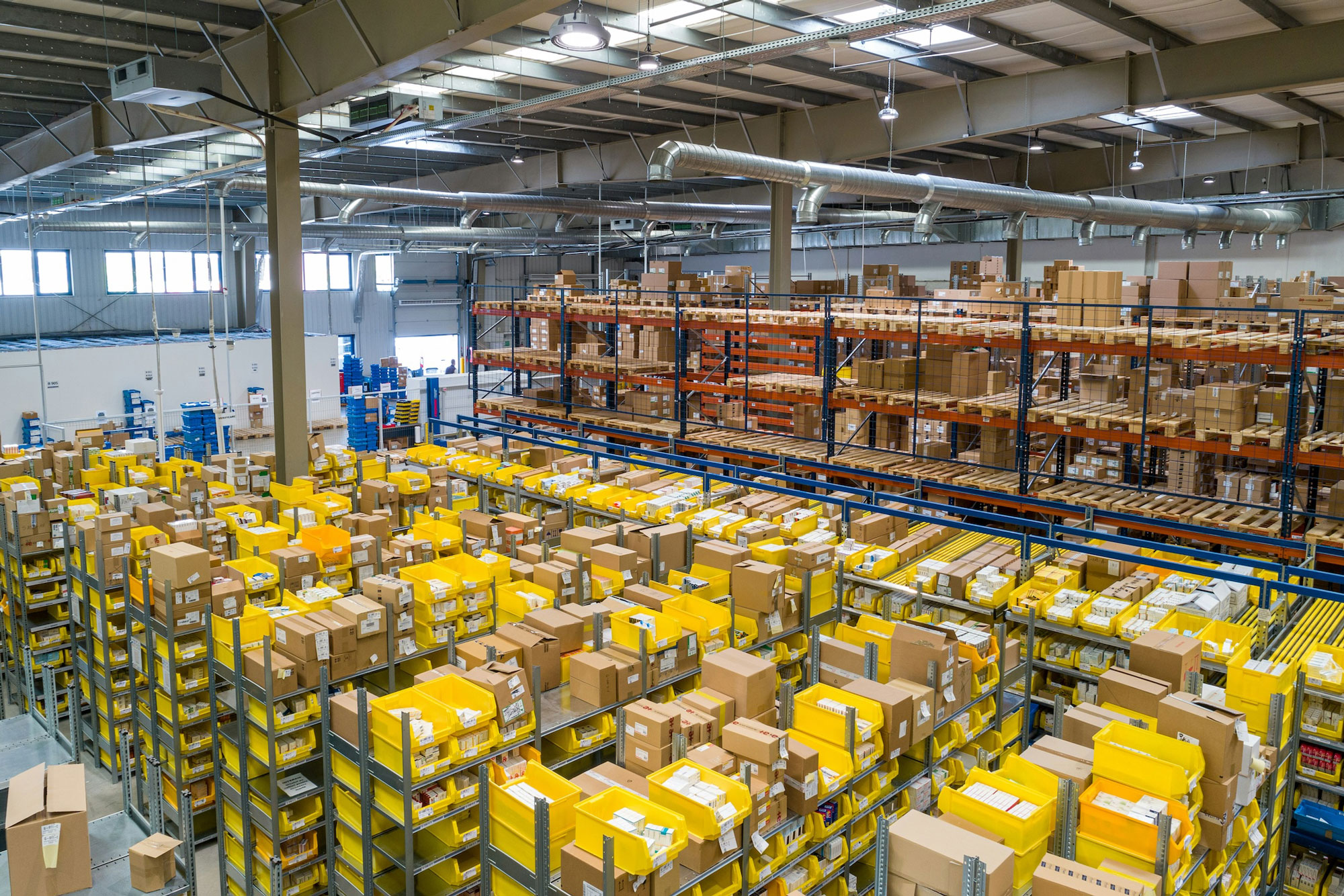
Global parcel carriers excel at moving massive package volumes quickly and efficiently. But their networks are optimized for aggregation, not exact timing. This is because parcel routing requires multiple handling points, long-haul transit flows, and morning/afternoon delivery waves rather than targeted, two-hour windows. Even “same-day” services are exception-based, premium-priced, and not scalable for daily operational needs.
For precision-dependent industries, a 5% miss rate on two-hour windows is unacceptable. A late shipment can impact patient care, interrupt a restaurant shift, or shut down a production line. It’s not that the national carriers don’t want to support these needs, it’s that they simply were never designed around these specific customer workflows.
2. Mid-Market Shippers Get Deprioritized During Peak Seasons
During demand surges such as holidays, back-to-school cycles, and promotional windows, UPS and FedEx routinely impose volume caps, embargoes, and restrictions.
From the FedEx website (updated Dec. 5, 2025)
During times of elevated volumes, high demand for capacity, and increased operating costs across our network, FedEx will implement Demand surcharges. Demand surcharges are determined for each market based on regular assessments of shipment volume and capacity within our network to accommodate. FedEx reserves the right to reassess and/or reinstate the Demand Surcharge at its sole discretion.
The hierarchy is clear:
- Enterprise retailers get guaranteed lanes
- Mid-market shippers get overflow capacity
- Precision-critical industries get squeezed
For organizations that cannot miss narrow delivery windows, this seasonal variability introduces unacceptable operational risk.
3. Limited Access to Specialized Handling & Compliance Controls
While parcel carriers offer niche programs like “UPS Healthcare,” access is limited, contract-gated, and not designed for high-frequency, multi-market precision. Studies show that 20% of pharmaceutical deliveries through general parcel networks experience temperature or scanning delays. A non-starter for regulated industries that demand continuity, compliance, and brand trust.
Pharma, food, and industrial supply chains require:
- Temperature control
- FDA/DEA chain-of-custody
- Real-time visibility
- Proof of condition on delivery
- Driver-level compliance training
4. No Real-Time Rerouting to Protect Tight Delivery Windows
Parcel carriers simply cannot interrupt their network flow to protect a two-hour SLA. Their systems optimize for efficiency, not customer-specific timing.
Parcel networks run on static dispatch models:
- Fixed routes
- Fixed dispatch times
- Packages move “with the system,” not “with the shipper’s urgency”
Precision logistics requires:
- Dynamic routing
- Mid-route diversion
- Exception playbooks
- Live ETA recalculation
- Human-in-the-loop control tower oversight
The Compromise: Precision-Critical Businesses Must Build Around Carrier Limitations
Organizations that depend on tight, two-hour windows including healthcare, life sciences, foodservice, and manufacturing, end up stitching together patchwork networks or absorbing operational risk themselves. The result is inconsistency, fragmentation, and cost escalation.
The market gap is real: no national parcel provider offers scalable, compliant, multi-market precision.
The Alternative: A Precision-Designed Architecture
Where parcel carriers optimize for density, the ideal solution optimizes for precision. This is a logistics model defined by:
Hyperlocal micro-hubs
Products live closer to demand to eliminate time risk. (60–80% reduction in delivery time.)
Owned assets and trained workforce
Controlled fleets and compliance-certified drivers, not gig workers or third-party subcontractors.
Real-time orchestration control tower
Live ETAs, predictive rerouting, telemetry, and exception management.
National footprint with city-level operational control
Built city by city, not assembled through brokers.
Chain-of-custody and compliance embedded into every step
For pharma, food, and sensitive industrial materials.
Consistency that scales
New markets launched in under 30 days; standardized processes ensure repeatability.
This is not a substitute for parcel carriers, it’s an entirely different operating system for business-critical logistics.
Conclusion: Parcel Carriers Can Ship Packages; They Cannot Deliver Precision
For organizations where late deliveries aren’t an inconvenience but an operational failure, parcel carriers will always fall short.
Precision logistics requires:
- Tight time windows
- Hyperlocal asset placement
- Controlled workforce
- Compliance rigor
- Real-time visibility and rerouting
Parcel networks aren’t built for this.
Want to Learn More?
Connect with our team to explore how a managed delivery system can transform your supply chain performance.
Discover how Yzer Next enables Scaled-Precision Logistics across U.S. markets reliably, compliantly, and at scale.



For more information
Be the first to know about releases and industry news and insights.
Optimize your delivery strategy today
Schedule a call to explore solutions that drive real results.
Schedule a Call